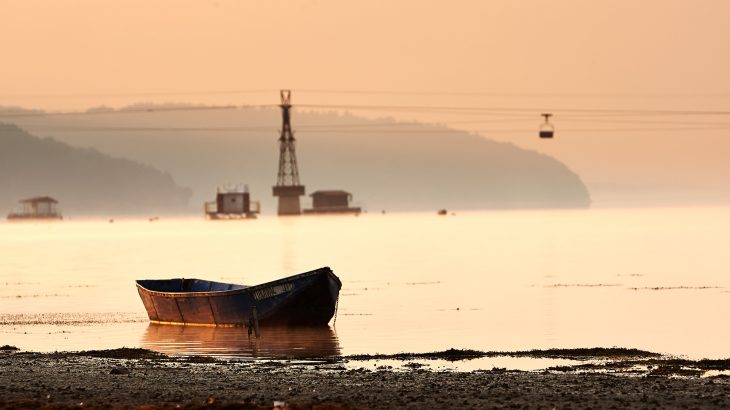
Lake Modrac is one of the most renowned and important water resources in Bosnia and Herzegovina. It is located in the central part of the Tuzla Canton, at the foothills of Mount Majevica, and stretches across the territories of the City of Tuzla and the municipalities of Lukavac and Živinice. The reservoir itself covers an area of approximately 1,670 hectares, while the wider catchment area extends over nearly 1,200 square kilometers. Because of its size and significance, Modrac is often referred to as the “lungs of Tuzla Canton” or the “sea of northeastern Bosnia.”
The lake was formed in the 1960s, when a large dam was built on the Spreča River. The main goal of this construction was to provide a stable source of drinking water for nearby towns and industries, as well as to prevent frequent flooding that had historically caused major damage to surrounding settlements and agricultural land.
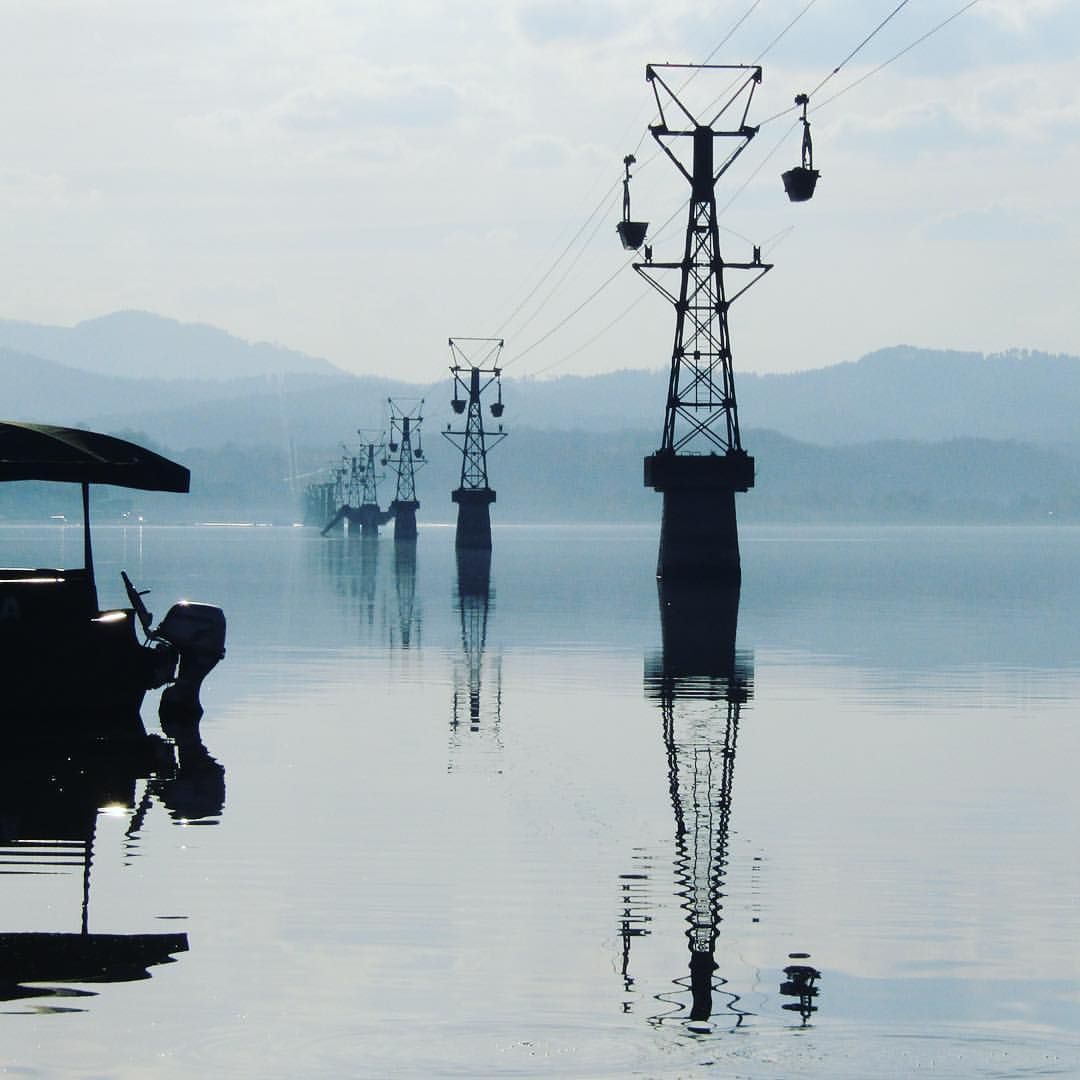
Today, Lake Modrac represents one of the key water sources for the broader Tuzla Canton region. Its waters are used both for household consumption and for industrial purposes, primarily by the thermal power plant and other major industrial facilities. In addition, Modrac’s waters play a crucial role in supporting local agriculture, enabling irrigation and stable production across the surrounding farmlands.
The area around the lake is characterized by a diverse landscape. On one side, there are settlements that have developed along its shores over the years — such as Prokosovići, Kiseljak, and Bikodže — while on the other side stretch vast forests, hills, and agricultural lands. This combination of natural and human-shaped environments has created a unique identity for the area, making it equally attractive to local residents and visitors.
The ecological importance of Modrac is immeasurable. The reservoir serves as a habitat for numerous plant and animal species, including several that are listed as protected. Its waters host a large number of fish species, making it a prominent center for recreational fishing, while the wetland areas along its banks provide refuge for many migratory birds. Because of this biodiversity, Modrac is recognized as an area that requires constant care and protection.
The climate around the lake is typical of a moderate continental region. Summers are warm, with temperatures often exceeding 30°C, while winters are cold and snowy. These conditions make the lake suitable for various forms of use throughout the year. In summer, Modrac attracts swimmers, tourists, and anglers, while in winter it remains a tranquil yet vital ecological and scenic element of the landscape.
The lake also holds special significance for local communities. Generations of Tuzla Canton residents have grown up by Modrac — spending summers swimming, fishing, picnicking, and socializing along its shores. For many people, the lake is a place of cherished memories and a symbol of togetherness. At the same time, it is a space that has faced challenges, including pollution, uncontrolled construction, and overexploitation of its natural resources. For this reason, spatial development plans and legal regulations have been adopted to preserve its value and ensure its sustainable use.